
Why Museums Are Moving Beyond Traditional Guided Tours

Why Museums Are Moving Beyond Traditional Guided Tours
Museums are no longer simply places where visitors walk from one object to another and read information printed on display labels.
Modern museums are increasingly focused on storytelling, accessibility, visitor engagement, and personalized experiences.
Audio technology has become an important part of this transformation.
From traditional handheld audio devices to smartphone applications and wireless group communication systems, museums are using technology to help visitors connect with collections in more meaningful ways.
The Challenge of Traditional Museum Tours
A traditional guided tour usually involves one guide speaking to a group.
This format can work well with a small number of visitors in a quiet gallery. However, problems can appear when the museum is crowded or when several groups are operating in the same area.
Visitors standing at the back may struggle to hear.
Guides may need to raise their voices.
Other visitors may be disturbed.
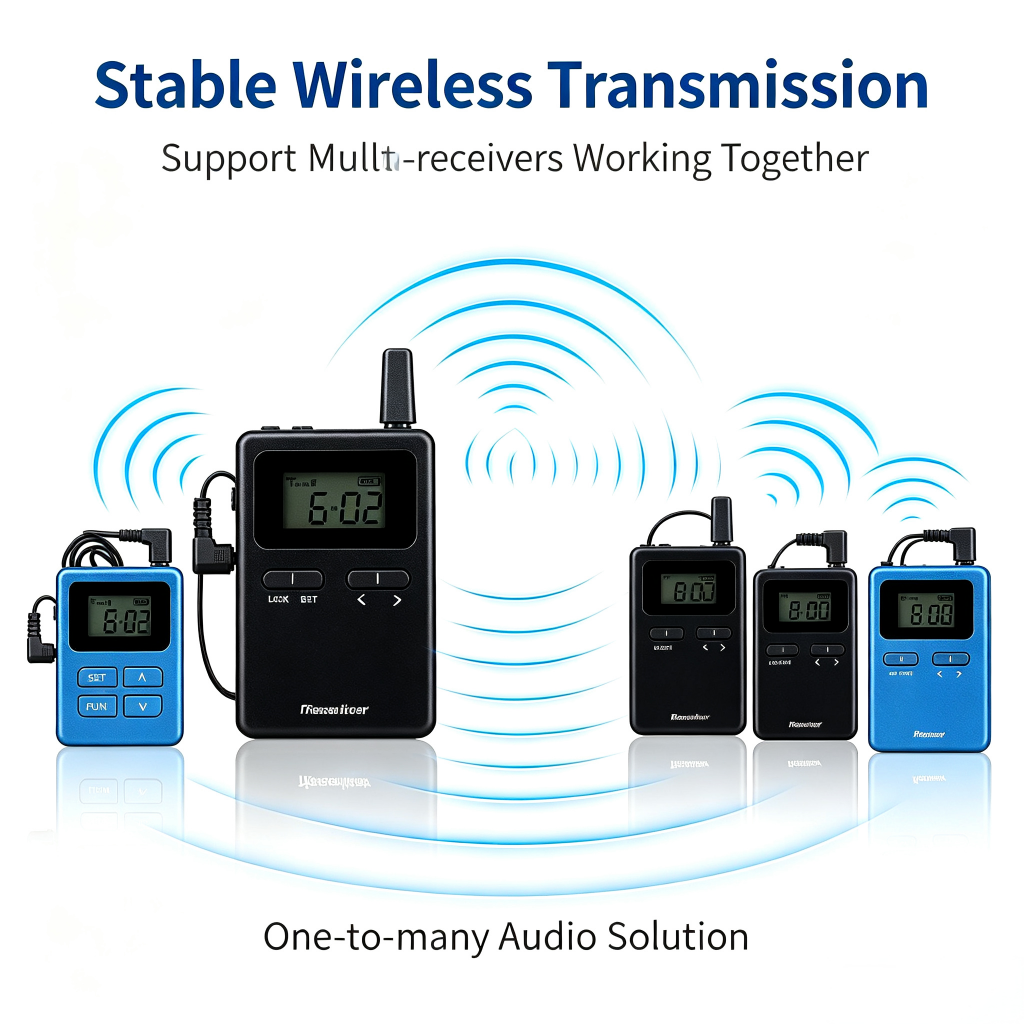
A wireless museum guide system can solve many of these problems by transmitting the guide’s voice directly to each participant.
Audio Guides Create a More Flexible Experience
Audio guides also allow visitors to explore independently.
Instead of following a fixed group schedule, visitors can move at their own pace and select the information that interests them.
This approach has been adopted by major museums around the world.
The British Museum’s official audio experience includes expert commentary on more than 250 highlight objects, self-guided tours, multimedia content, and support for multiple languages.
Louvre Abu Dhabi also provides audio-guide content through its visitor application, with content available in several languages.
These examples demonstrate an important trend: visitors increasingly expect access to information in flexible and accessible formats.
Group Guide Systems Still Have an Important Role
Digital audio guides are useful for individual exploration, but live guides remain extremely valuable.
A professional guide can answer questions, adapt the presentation to the audience, and create a more personal experience.
For guided groups, a wireless communication system offers several advantages.
Clear Audio
Each participant receives the guide’s voice directly.
Less Disturbance
The guide can speak normally instead of speaking loudly across the gallery.
Better Group Movement
Visitors can move more naturally without needing to stand immediately next to the guide.
Improved Accessibility
Audio technology can support visitors who benefit from clear spoken explanations.
The wider museum sector is also placing increasing emphasis on accessibility, including audio descriptions and other sensory and inclusive visitor experiences.
Choosing the Right Museum Guide Solution
Different museums have different requirements.
A small local museum may need a simple wireless guide system for scheduled group tours.
A large international museum may require multiple communication channels, multilingual content, digital applications, and integrated visitor services.
When selecting equipment, museums should consider:
- Visitor volume
- Number of guided groups
- Indoor or outdoor use
- Required languages
- Battery life
- Hygiene requirements
- Ease of charging and storage
- Receiver capacity
- Staff management requirements
Conclusion
The museum visitor experience is becoming more interactive, flexible, and accessible.
Audio technology does not replace the importance of historical objects, professional curators, or knowledgeable guides. Instead, it helps visitors access information more effectively.
Whether through a wireless group tour system, dedicated audio device, or smartphone-based guide, clear audio communication can help museums create a more engaging visitor journey.